🩸How Diabetes Really Starts: The Silent Process Inside Your Body You Need to Know
Published on • DiabetesCare PH Team
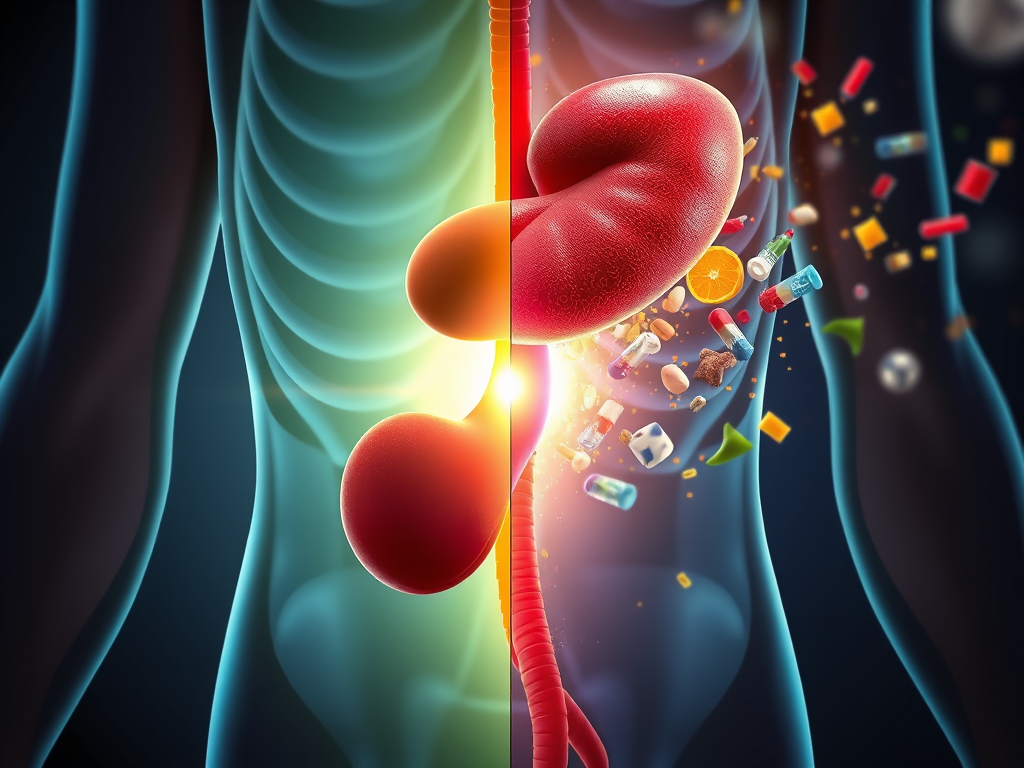
🧠The Hidden Battle Before Diabetes Begins
For many Filipinos, diabetes seems to appear “suddenly.”
One day your blood sugar test is normal, and the next, your doctor says you’re diabetic.
But the truth is, diabetes doesn’t happen overnight — it develops quietly inside your body for years before the symptoms ever show.
In this article, we’ll break down, step-by-step, how diabetes truly starts — not as a sudden disease, but as a slow and silent breakdown of your body’s ability to handle sugar (glucose).
🍚 Step 1: Normal Sugar Balance — A Perfect Teamwork
In a healthy body:
- You eat carbohydrates — rice, bread, or fruit.
- These break down into glucose, your main energy source.
- The pancreas releases insulin, a hormone that acts like a key to open your cells and let glucose in for energy.
- Once inside, glucose is used or stored for later, keeping your blood sugar balanced.
It’s a perfectly coordinated system — when working well.
⚠️ Step 2: The Start of the Problem — Too Much Sugar, Too Often
Here’s where modern habits start to take their toll.
Frequent eating, especially with high-carb, sugary, and processed foods, keeps blood sugar elevated most of the day.
Your pancreas must keep releasing insulin again and again, non-stop, to manage that sugar load.
Over time, your cells get “tired” of listening to insulin’s signal.
It’s like someone knocking on your door too many times — eventually, you just stop answering.
This is the early stage of insulin resistance.
🧩 Step 3: The Two-Factor Struggle — Pancreas vs. Cells
When insulin resistance begins, two parts of your body start struggling against each other:
| Factor | What Happens | Effect |
|---|---|---|
| Pancreas | Tries harder to release more insulin | Overworked and fatigued |
| Body cells | Stop responding to insulin | Glucose stays in bloodstream |
At first, your pancreas can compensate by producing 2–3 times more insulin.
Your blood sugar test may still look “normal,” but behind the scenes, your insulin is sky-high — a silent warning sign.
⏳ Step 4: The Pre-Diabetic Stage — The Silent Years
This stage can last 5 to 10 years (sometimes longer).
During this period:
- Blood sugar may still appear in the normal range.
- Insulin levels remain chronically high.
- You start gaining belly fat and feeling tired more often.
- Some notice increased hunger or brain fog after meals.
Your doctor might say, “You’re okay,” but in reality, your metabolism is already fighting for balance.
This is the best time to act — because once the pancreas starts wearing out, reversal becomes harder.
🔥 Step 5: Pancreas Fatigue — The Breaking Point
After years of overworking, the β-cells (insulin-producing cells in the pancreas) start to fail.
They can no longer produce enough insulin to push glucose into resistant cells.
Now, your blood sugar rises — and Type 2 Diabetes is officially diagnosed.
At this stage:
- The pancreas is tired and inefficient.
- Cells are resistant.
- Sugar remains in the bloodstream.
- The body starts burning fat and muscle for energy, causing unintentional weight loss and weakness.
This is the turning point where medication or insulin may become necessary.
💡 Step 6: Understanding the Cycle to Break It
The good news?
If you understand how diabetes starts, you can also understand how to slow it down — or even reverse it in early stages.
Here’s how to break the cycle:
- Reduce carbohydrate load — lessen white rice, bread, and sweetened drinks.
- Practice meal spacing or fasting — give your pancreas time to rest.
- Exercise regularly — muscles are insulin’s best friend; they help absorb glucose.
- Sleep and manage stress — cortisol (stress hormone) spikes blood sugar too.
- Monitor your numbers — fasting sugar, post-meal readings, and HbA1c are your dashboard.
📊 How Long Before Diabetes Fully Develops?
| Stage | Description | Typical Duration |
|---|---|---|
| Normal metabolism | Cells respond normally to insulin | Baseline |
| Insulin resistance | Pancreas compensates, blood sugar normal | 5–10 years |
| Pre-diabetes | Glucose begins to rise slightly | 2–5 years |
| Diabetes onset | Pancreas exhaustion, high glucose levels | Ongoing without treatment |
The earlier you identify yourself in this timeline, the better your chances of preventing full diabetes.
🧬 The Filipino Connection
Culturally, many Filipino foods are high in refined carbohydrates — white rice, bread, noodles — and we tend to eat 4–6 times daily, often with sweet drinks.
Add stress, lack of sleep, and sedentary jobs — and the perfect storm for insulin resistance builds up silently.
That’s why awareness is vital.
Our genes might predispose us, but our habits decide the outcome.
❤️ Final Thoughts: Prevention Is the Real Cure
Understanding how diabetes begins gives you power over it.
It’s not just about sugar or sweets — it’s about how your body handles energy.
Diabetes starts silently, but you can stop it silently too, through small, consistent daily actions.
If you’re in your 30s, 40s, or 50s — now is the time to act.
Your cells can recover their sensitivity. Your pancreas can rest.
And you can live a long, energetic, diabetes-free life.
📌 Disclaimer
This article is for educational purposes only and does not substitute for medical advice. Always consult your doctor for personalized guidance regarding blood sugar management and medications.
Enjoyed this article? Get our free weekly health guides
Join the growing movement of Filipino family providers receiving low-GI recipes, blood sugar management tips, and free downloadable cheat sheets.