How to Reverse Insulin Resistance Naturally: Reprogram Your Cells and Restore Balance
Published on • DiabetesCare PH Team
💡 Your Body Can Heal
In the last article, we learned how insulin resistance begins — when your cells stop responding to insulin’s signal, forcing your pancreas to work harder just to keep your blood sugar “normal.”
But here’s the good news: 👉 Insulin resistance isn’t permanent.
Your cells can recover their sensitivity. Your pancreas can rest. And you can take real, science-backed steps to reprogram your metabolism naturally — no extreme diets, no gimmicks.
Let’s break down how.
🍚 Step 1: Lighten the Sugar Load
Every time you eat rice, bread, or sweets, your blood sugar rises — and insulin follows. Eating too many of these foods, too often, keeps insulin levels high all day long.
Here’s what you can do:
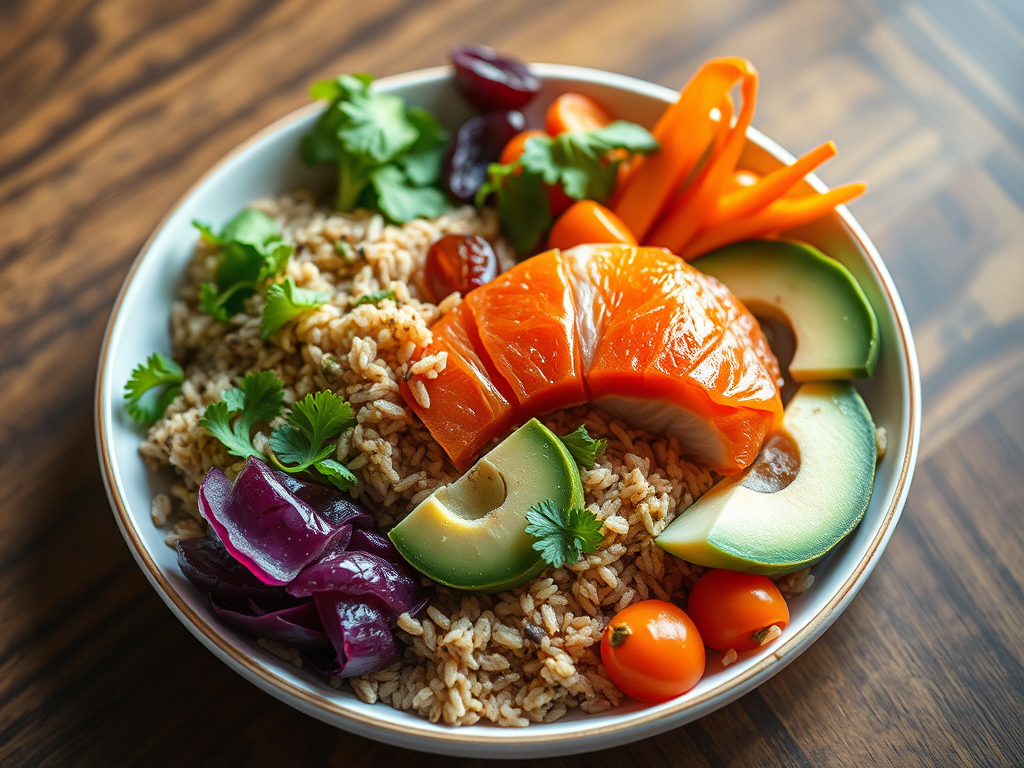
Swap white rice for brown rice, red rice, or kamote (sweet potato).
Avoid sweetened drinks — choose water, black coffee, or unsweetened tea instead.
Include fiber-rich vegetables like ampalaya, pechay, and malunggay in every meal.
The less you spike your insulin, the faster your cells can “reset” and become sensitive again.
⏳ Step 2: Practice Meal Spacing or Intermittent Fasting
Your pancreas also needs rest. Constant snacking means constant insulin production — leaving no time for recovery.
Start simple:
Try spacing meals 4–5 hours apart.
Avoid late-night snacks.
If comfortable, aim for 12–14 hours overnight fasting (e.g., 7 PM dinner → 9 AM breakfast).
When insulin levels drop during fasting, your cells switch from “storage” to “repair” mode — helping clear out fat buildup that blocks insulin’s signal.
🏃 Step 3: Move Your Muscles — The Natural Sugar Burner
Your muscles are insulin’s best friend. When you move, your muscles open extra doors for glucose — even without insulin’s help!
What to do:
Walk for 10–15 minutes after meals.
Add light resistance exercise (bodyweight squats, stairs, or resistance bands).
Stay active daily — house chores, stretching, and simple movement all count.
Even small bursts of movement improve insulin sensitivity dramatically.
😴 Step 4: Sleep Well and Manage Stress
Lack of sleep or chronic stress keeps cortisol levels high — a hormone that blocks insulin’s effect.
To restore balance:
Aim for 7–8 hours of sleep each night.
Avoid screens 30 minutes before bed.
Practice stress-relievers: deep breathing, light stretching, prayer, or quiet reflection.
When your mind rests, your hormones reset — and your metabolism follows.
🥑 Step 5: Choose Healthy Fats and Anti-Inflammatory Foods
Inflammation worsens insulin resistance. But foods rich in omega-3 and antioxidants can calm inflammation and help heal your cells.
Add to your diet:
Fish like tuna, sardines, and bangus
Olive oil, coconut oil, and avocado in small portions
Colorful vegetables and fruits — the more natural color, the more healing nutrients
🧬 Step 6: Monitor Progress, Not Perfection
Recovery takes time — but every small win matters.
Track your progress through:
Fasting glucose and post-meal readings
Waist circumference (belly fat reduction = improving insulin sensitivity)
Energy levels — you’ll notice fewer crashes and cravings
Your goal is progress, not perfection. Even a 5–10% reduction in body weight can dramatically improve insulin response.
❤️ Final Thoughts: Reversal Starts with Awareness
You now understand the full picture — from how diabetes starts, to how insulin resistance develops, and finally, how to reverse it naturally.
This is the power of awareness: once you know what’s happening inside your body, you can act before the damage becomes permanent.
Your body is designed to heal — but only if you give it the right environment.
Start today. Eat mindfully, rest fully, move consistently, and give your cells the chance to recover.
Because the truth is — 👉 It’s never too late to reprogram your cells and rewrite your health story.
📢 Next in the Series (Preview)
💬 “The Pancreas Recovery Plan — How to Help Your Insulin Factory Heal Itself.” We’ll explore how to support your pancreas, reduce insulin fatigue, and keep your blood sugar stable long-term.
Follow our page to get notified when it’s published!
Enjoyed this article? Get our free weekly health guides
Join the growing movement of Filipino family providers receiving low-GI recipes, blood sugar management tips, and free downloadable cheat sheets.