What Is Insulin Resistance? Understanding How Cells Stop Responding to Insulin
Published on • DiabetesCare PH Team
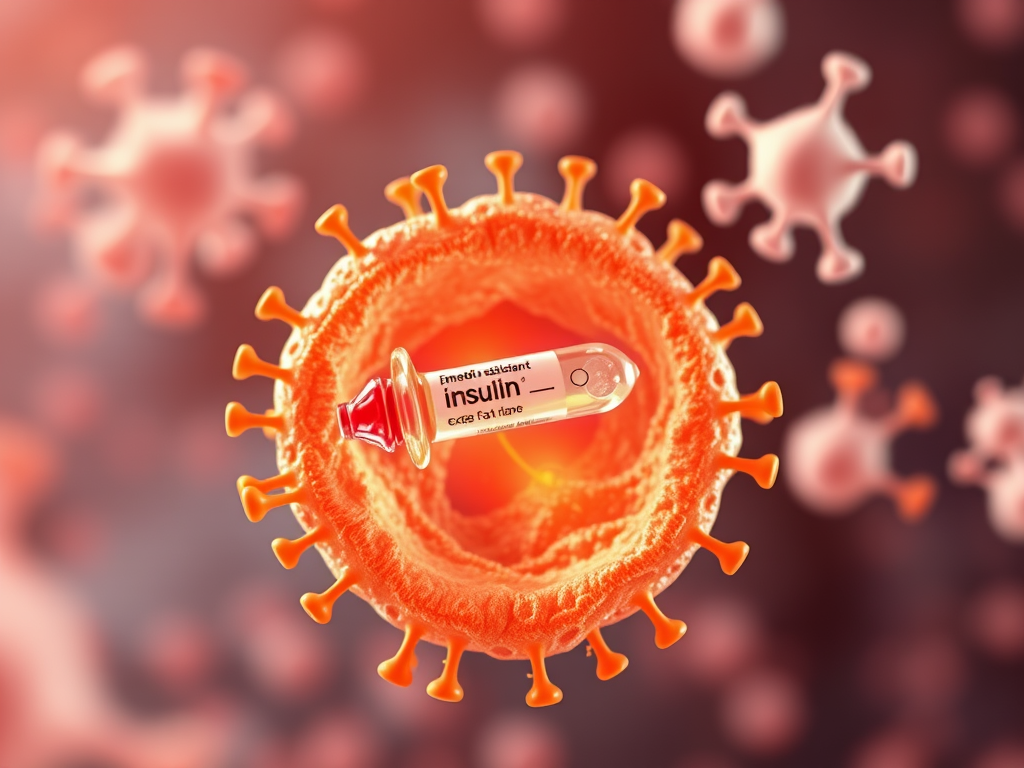
When the “Key” Stops Working
In our previous post — “How Diabetes Really Starts: The Silent Process Inside Your Body” — we learned how diabetes doesn’t begin overnight. It slowly develops as your body struggles to manage sugar.
This time, let’s zoom in to the real battleground — inside your cells — where insulin resistance quietly begins.
Many Filipinos think diabetes is only about “too much sugar.” But in truth, it starts when your cells stop responding to insulin, the hormone responsible for unlocking energy from food.
Understanding why this happens is the key to protecting your metabolism before diabetes takes control.
🧩 Step 1: What Is Insulin Resistance, Really?
Think of insulin as a key and your cells as doors.
In a healthy body, insulin “unlocks” these doors so glucose (sugar) can enter and be used as energy.
But when insulin keeps knocking — meal after meal, snack after snack — your cells begin to ignore it.
It’s like hearing your doorbell ring too many times… eventually, you stop answering.
That’s insulin resistance.
Your cells stop responding to insulin, glucose remains in your blood, and your pancreas works harder to release more insulin to force it through.
At first, blood sugar may still appear “normal.” But behind those numbers, your body is already fighting a silent metabolic battle.
⚠️ Step 2: Why Your Cells Become Resistant
Insulin resistance doesn’t appear suddenly. It’s the result of everyday habits that, over time, damage how your cells “hear” insulin’s message.
🍚 1. Too Many Carbs, Too Often
Traditional Filipino diets are rich in rice — often eaten three or more times a day, plus snacks and sweet drinks.
This keeps insulin levels high all day long, giving cells no rest. Eventually, they become “numb” to insulin’s signal.
🧈 2. Fat Build-Up Inside Cells
Excess sugar that isn’t burned for energy turns into fat.
This fat doesn’t just stay under your skin — it seeps into muscle and liver cells, blocking insulin’s pathway and making it harder for glucose to enter.
🔥 3. Hidden Inflammation
Processed foods, sugary drinks, and lack of sleep trigger small, persistent inflammation inside the body.
This inflammation disrupts insulin’s communication system — like static noise breaking up a clear message.
😴 4. Stress and Lack of Sleep
When you’re stressed or sleep-deprived, your body releases cortisol — a hormone that raises blood sugar.
Over time, this causes even higher insulin levels, worsening the resistance.
🪞 5. Belly Fat and Sedentary Lifestyle
Belly fat releases inflammatory chemicals that weaken insulin’s effect.
When combined with too much sitting and too little movement, your muscles become less responsive — further fueling the problem.
⏳ Step 3: The Slow Decline You Don’t Feel (Yet)
The dangerous part? Insulin resistance often goes unnoticed for years.
You might still feel fine while your body struggles behind the scenes.
But the signs are there — if you pay attention:
- Feeling tired or sleepy after meals
- Cravings for sweets or carbs even after eating
- Unexplained belly fat gain
- Brain fog or mood swings
- Normal blood sugar but elevated insulin (if tested)
If these sound familiar, your cells may already be resisting insulin — long before your doctor says you’re “diabetic.”
❤️ Step 4: Why You Must Act Early
Once insulin resistance sets in, it creates a vicious cycle:
- More insulin →
- More fat storage →
- More inflammation →
- Even worse resistance.
Breaking this early is crucial. When caught in time, your body can restore insulin sensitivity naturally — through diet, movement, and lifestyle correction.
The sooner you act, the better your chances of keeping your pancreas strong and your blood sugar in balance.
👀 Coming Next: How to Rebuild Your Cells’ Sensitivity
Don’t lose hope — insulin resistance can be reversed, especially in its early stages.
In the next Part of this series, we’ll show you how to reset your cells naturally through practical, science-based methods:
- Easy ways to reduce insulin spikes
- How meal spacing and fasting help your body recover
- The best types of exercise for insulin sensitivity
- How sleep, stress control, and healthy fats make all the difference
👉 Watch out for the next post: “Reprogramming Your Cells — How to Reverse Insulin Resistance Naturally.”
Because awareness is good — but action is what transforms your health.
📌 Disclaimer:
This article is for educational purposes only and not a substitute for professional medical advice. Always consult your doctor for personalized guidance on managing blood sugar and insulin resistance.
Enjoyed this article? Get our free weekly health guides
Join the growing movement of Filipino family providers receiving low-GI recipes, blood sugar management tips, and free downloadable cheat sheets.